For numerous folks, using spectacles or contact lenses has become a regular aspect of everyday life, sometimes causing annoyance with unclear sight and discomfort. While http://eyedocnews.com/007237-should-patients-opt-for-dropless-cataract-surgery/ might be effective for some, many others seek a definitive solution to restore their sight and improve their quality of life. Lens replacement surgery has emerged as a widely chosen option, providing patients with the opportunity to part ways with their eyewear and achieve clear vision free from the annoyance of vision correction aids.
Lens replacement surgery delivers a variety of benefits, particularly for those facing cataracts or age-related vision problems including presbyopia. This procedure not just deals with common issues like nearsightedness and hyperopia, but it in addition presents an excellent alternative for individuals aged over seeking to enhance their vision without the need for bifocals. With advancements in technology, options like top-tier intraocular lenses can be chosen, which allow personalized eyesight correction designed for unique lifestyles and lifestyles. Whether you are engaged in physical activities or merely desire to experience everyday tasks free from eyewear, lens replacement might just be the answer you have sought.
Comparing Refractive Lens Exchange to Other Methods for Correcting Vision
Lens replacement surgery, commonly referred to as refractive lens exchange, is an effective option for those struggling with a range of visual problems, such as cataracts, age-related farsightedness, or severe refractive errors like hyperopia and myopia. In contrast to Laser-Assisted In Situ Keratomileusis, which reshapes the outer layer of the eye to correct sight, lens replacement involves the removal of the natural lens of the eye and substituting it with man-made lenses tailored to the patient's needs. This method is particularly beneficial for individuals aged the age of 45, who may have age-related changes in vision that LASIK cannot address well.
When comparing lens replacement to options like implantable contact lenses, it's important to consider the long-term advantages and results. While implantable lenses can provide correction without removing the natural lens, lens replacement provides a more permanent answer, especially for those with elevated levels of vision distortion. Additionally, with advancements in technology, high-quality intraocular lenses can correct multiple issues such as astigmatism and provide multifocal capabilities, enhancing comprehensive vision enhancement.
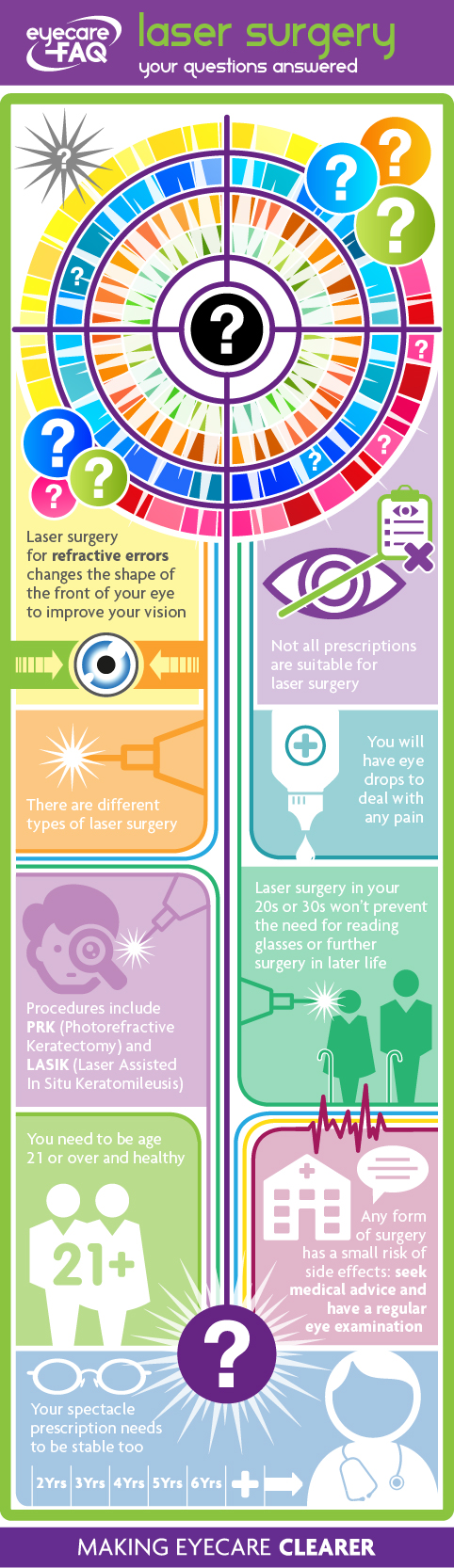
Another popular method, Photorefractive Keratectomy, has some commonalities with LASIK but is often recommended for patients with thinner corneas or other specific conditions. However, PRK has a prolonged healing period and may not deliver the equivalent level of immediate clarity in comparison to lens replacement surgery. For individuals leading an active lifestyle or those looking for personalized visual solutions tailored to their specific visual demands, lens replacement surgery may provide superior outcomes, including improved night vision and lessened problems with halos or light discomfort.
Grasping Lens Replacement for Multiple Vision Issues
Lens exchange surgery is a flexible operation that can tackle a variety of vision issues, providing an efficient answer for many patients. Those struggling with high hyperopia, or far vision, can reap rewards significantly from this surgery. By replacing the eye's innate lens with a high-quality intraocular lens, individuals can attain clearer distance vision and reduce the dependency on glasses for daily activities. The improvements in lens technology, including varifocal and enhanced depth of field lenses, permit for tailoring that meets the particular visual needs of hyperopic patients.
For those diagnosed with severe myopia, or close vision, lens replacement surgery offers a hopeful resolution as well. This operation helps in addressing severe refractive errors that conventional contact lenses or glasses may not effectively address. The ability to conduct a clear lens extraction in conjunction with the implantation of a specially designed lens can revive vision considerably. Many patients find that not only is their distance vision boosted, but they also enjoy superior contrast sensitivity and a reduction in halos and glare, creating a more comfortable visual experience in multiple lighting environments.
Additionally, lens replacement is particularly helpful for individuals aged 45 and above who often contend with presbyopia, a normal change in vision associated with the aging process. By opting for refractive lens exchange, patients can permanently alleviate the need for reading glasses and boost their near vision successfully. This procedure encourages a more active lifestyle, as it enables individuals to engage in activities such as reading, crafting, or sports without the hindrance of glasses. Overall, lens replacement procedure distinguishes itself as a comprehensive answer for diverse vision issues, offering tailored and successful results.
Advantages of High-Quality Intraocular Lenses
Premium intraocular lenses (IOLs) offer substantial advantages over standard lenses for patients undergoing lens replacement surgery. One of the primary benefits is their ability to provide a fuller range of vision. Unlike regular monofocal lenses, which typically focus on a single distance—either near or distant—high-quality lenses, such as multifocal and extended depth of focus (EDOF) lenses, allow patients to see clearly at multiple distances. This means that individuals can enjoy activities such as reading, browsing on their smartphones, and driving without the constant need for glasses.
Another key advantage of premium IOLs is their ability to reduce reliance on corrective eyewear. Many patients who choose these advanced lenses report a high level of satisfaction because they can perform daily tasks, including sports and other physical pursuits, with increased ease. This is especially advantageous for those who lead an active lifestyle and want the freedom of movement without the hassle of glasses or contact lenses. The enhanced visual acuity and comfort provided by high-quality lenses support a better quality of life.
Premium IOLs also contribute to improved night vision. Many patients experience fewer issues with halos and glare compared to those with standard lenses. This enhancement is particularly crucial for individuals who often drive at night or engage in activities in low-light conditions. With Lens Replacement Vs Lasik and minimized visual disturbances, patients with premium IOLs can navigate their environments more safely and assuredly.
Custom Approach to Lens Replacement Surgery
When considering lens replacement surgery, a personalized approach is essential to achieving ideal results. Every person's vision needs are individual, shaped by factors such as demographics, habits, and individual vision challenges. For instance, a patient who is frequently active in sports might benefit from custom lens options designed to boost sports vision, while someone experiencing presbyopia may require multifocal or trifocal intraocular lenses to provide sharp vision at multiple distances. By tailoring the surgical approach and lens selection to each patient's specific needs, surgeons can ensure that the outcomes align with the person's everyday activities and needs.
Advancements in technology also plays a critical role in personalization. Sophisticated diagnostic tools can reliably assess eye health and refractive errors, allowing for a thorough evaluation before the procedure. Options like the Light Adjustable Lens provide the ability to refine vision post-surgery, allowing adjustments based on the patient's feedback. https://notes.io/ecsDN mean that the process is no longer a uniform solution, offering customized choices that cater to varied lifestyles and vision correction needs.
In addition, discussing goals and concerns with the surgeon can lead to a more comfortable experience. Patients should feel encouraged to ask questions about the types of lenses available, potential outcomes, and any concerns regarding side effects, such as halos or glare after lens replacement. By encouraging an open dialogue, healthcare providers can help set achievable expectations and ensure that each patient receives a personalized treatment plan that aims for the optimal vision outcomes.